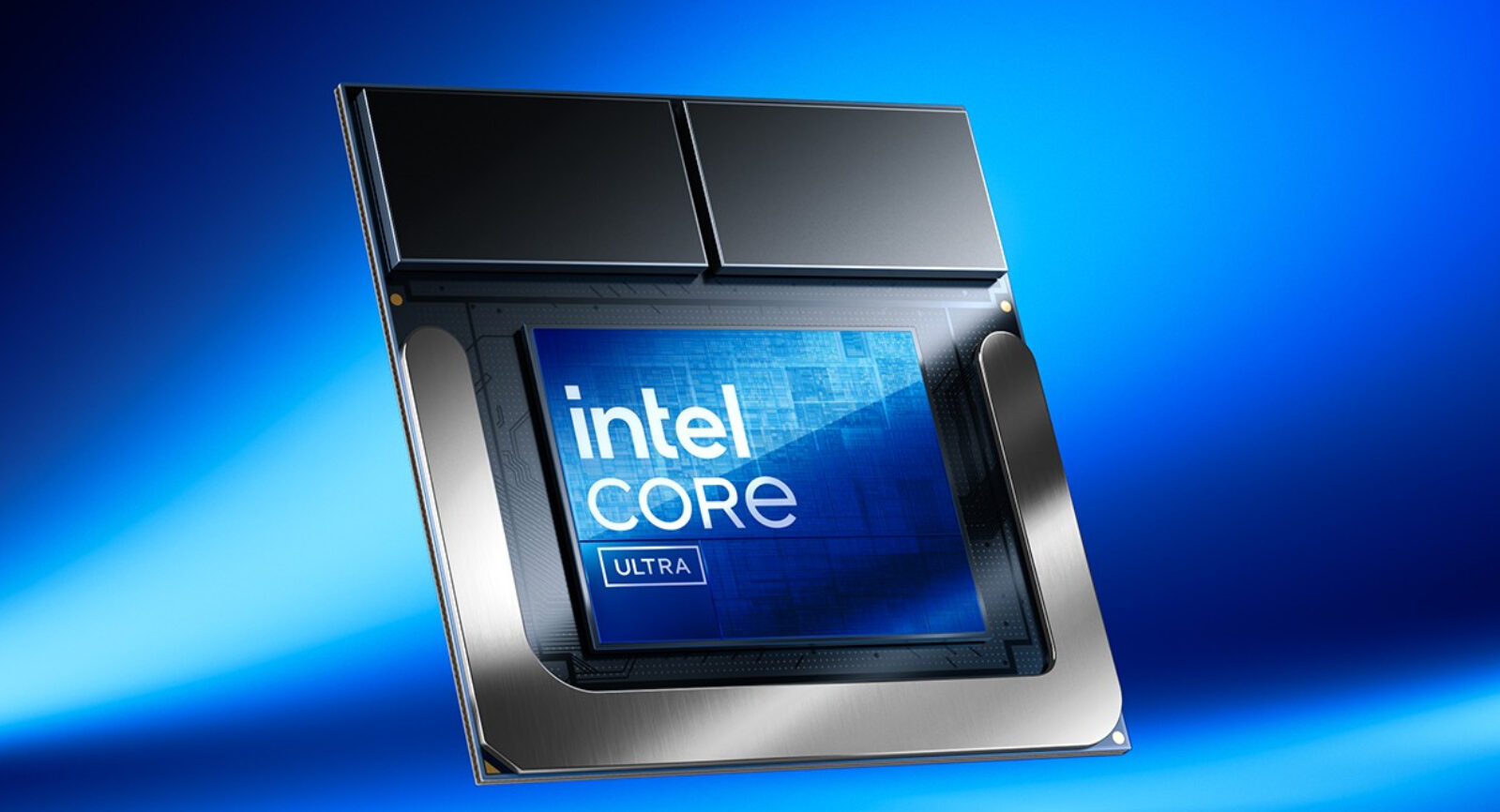
lipflip – Intel Panther Lake processors are drawing closer to launch across several laptop segments, and early performance leaks continue to surface. A new benchmark listing has revealed additional information about one of Intel’s upcoming Arc Xe3 integrated graphics units. This benchmark involves the Core Ultra 7 366H, which sits in the midrange to upper-midrange tier of Intel’s next generation lineup. The listing follows last month’s appearance of the Arc B390 iGPU in Geekbench OpenCL tests.
That earlier leak showed the B390 achieving a significant performance lead over existing Arc 140 series units. It scored more than one third higher than the Arc 140T and delivered a striking 92 percent improvement over the Arc 140V. The Arc 140V currently powers lightweight notebooks such as the XPS 13 9350. Those strong results helped raise expectations for Intel’s upcoming Xe3 architecture. The new Core Ultra 7 366H leak tells a more cautious story. The iGPU reached a Vulkan score of 22,813 in Geekbench 6.5.0. This performance places it near AMD’s Radeon 840M, which only features four Compute Units.
Geekbench does not list the number of Xe3 cores used by this model, leaving some uncertainty about its exact configuration. Early evidence suggests that this iGPU may match the versions planned for the Core Ultra 5 336H and Core Ultra 5 338H. That possibility indicates that Intel may be testing a lower tier configuration rather than showcasing its most capable Xe3 variant. Higher end options such as the Arc B360 or Arc B370 are expected to carry more cores and higher clock speeds. These models could demonstrate stronger gains once they appear in future benchmarks. For now, the available leak suggests Intel is preparing a broad range of iGPU tiers to serve different laptop classes. This approach could allow manufacturers to optimize thermal behavior and battery efficiency without sacrificing baseline performance across the product line.
Core Ultra 7 366H iGPU trails several current options, but more tests are expected
A closer comparison to existing integrated graphics solutions reveals notable gaps. The Vulkan score from the Core Ultra 7 366H lands roughly 25 percent below systems powered by the Arc 140V. It also falls about 34 percent behind devices using the Arc 140T, which already occupies a modest performance tier. The performance gap widens further when compared with AMD’s Radeon 890M. In that match-up, the new iGPU lands nearly 50 percent behind. Instead, Intel may be positioning this specific model for mainstream productivity notebooks. Intel’s current strategy appears focused on offering multiple iGPU levels within the Panther Lake family. This strategy would allow partners to tune devices for power efficiency or thermal constraints depending on their target markets.
Read More : Oppo A6x Debuts with 5G, 120Hz Screen and 6500mAh Battery
The Core Ultra 7 366H has only appeared so far in a single device. That device is the Dell Pro Precision 7 16, which succeeds the Dell Pro Max 16 Plus. The Pro Max 16 Plus itself replaced the Precision 7680 earlier this year. More laptops using Panther Lake hardware should appear as launch approaches. Additional benchmark leaks will likely clarify the full performance range of Intel’s Xe3 architecture. Review units should offer more stable data once they reach press outlets and independent testers.
Intel is expected to detail final Panther Lake specifications soon. Those announcements will help buyers understand how each iGPU configuration fits into the broader market. For now, the latest leak delivers a realistic early look at one of Intel’s more modest Xe3 options. The results show room for improvement, but stronger variants may follow as Intel completes development and partners prepare retail models.